Achieving a smooth finish with a slipform paver requires skill and attention to detail. This process is essential for high-quality concrete surfaces. Wisdom from experienced operators often reveals challenges that can arise during paving. Proper machine setup and calibration significantly impact the final outcome.
Understanding the equipment is crucial. Different slipform pavers have unique features that affect how to achieve a smooth finish. Many operators have faced difficulties with concrete consistency. Factors like weather and material quality can disrupt the work. Recognizing these challenges can help prevent mistakes.
Practicing techniques can enhance results. Many experts suggest adjusting the right parameters beforehand. Small errors can accumulate, leading to imperfections. Observing finished projects can provide valuable insights. Continuous learning and adaptive strategies are vital for success in this field.
Understanding Slipform Pavers: Mechanisms and Functionality
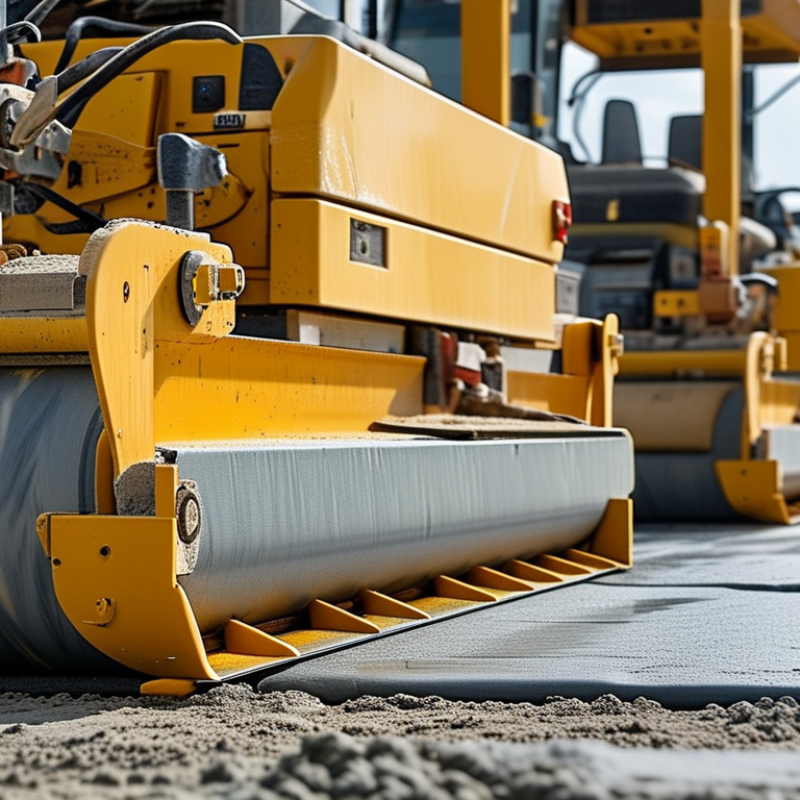
Understanding slipform pavers is essential for achieving a smooth finish in concrete construction. These machines use a continuous pouring method, which allows for seamless, joint-free surfaces. A slipform paver moves along a predetermined path, shaping wet concrete into desired dimensions. According to a report by the Portland Cement Association, using slipform technology can improve efficiency by up to 30% compared to traditional methods.
The mechanisms behind slipform pavers rely on precise control systems. These systems adjust the paver's speed and height in real-time, ensuring consistency in the finished surface. However, challenges remain. Factors like inconsistent concrete mixture and environmental conditions can affect performance. It is crucial to monitor the concrete's slump and temperature. As noted in a Civil Engineering journal, a small change in these parameters can lead to significant variations in the final product.
Worksite conditions can also pose difficulties. Uneven ground or unexpected obstacles may disrupt the paver's operation. Regular maintenance is vital to prevent breakdowns. Reports suggest that proactive upkeep can reduce operational delays by 20%. Awareness of these elements can help operators make informed adjustments, ensuring a smoother overall process.
Key Factors Influencing Surface Finish Quality in Slipform Paving
Achieving a smooth finish with a slipform paver relies heavily on specific factors that influence the surface quality. The consistency of the concrete mix is crucial. A well-graded mix ensures better flow and placement. Pay attention to the aggregate size; larger aggregates can cause surface irregularities. Adjusting the water-to-cement ratio also significantly impacts the final appearance. Too much water can lead to weakness and blemishes on the surface.
Another key factor is the paver's speed and operating conditions. A consistent paving speed helps maintain uniformity. If the paver moves too quickly or slowly, it can create surface defects. Weather conditions also play a role. High humidity or extreme temperatures can affect curing. This may leave the surface rough or uneven. Regular maintenance of the equipment is vital. Clogged screeds or worn-out blades can result in subpar finishing, leading to costly repairs later.
Finally, skilled operators are essential. They must understand how to adjust settings on the fly. An inexperienced operator may overlook crucial elements, ruining the finish. Observing the machine and the concrete flow can reveal issues early. Regular training and feedback can help improve execution and quality. This dedication to craftsmanship often sets apart high-quality projects from mediocre ones.
Tips for Achieving Optimal Concrete Consistency for Smooth Finishes
Achieving a smooth finish with a slipform paver starts with the right concrete consistency. The mixture should be neither too wet nor too dry. A well-balanced blend helps in easy workability and better surface quality. A typical concrete mix might include aggregates, cement, water, and additives. Each component must be measured accurately. Maintaining the correct water-to-cement ratio is crucial; too much water can weaken the surface.
Consistency also relies on proper mixing techniques. Ensure the materials are mixed thoroughly. Avoid clumps of dry material. The ideal mix should flow easily without segregation. Pay close attention to the ambient temperature and humidity levels. These factors significantly influence the curing process and the final finish. If the conditions are not ideal, adjustments to the mix may be necessary.
While striving for perfection, do not overlook potential challenges. Uneven surfaces can occur if the paver is not calibrated correctly. Regular checks during paving can catch issues early. The experience of the operator is invaluable. Techniques may vary between projects, and learning from past paving experiences is essential. Reflections on what worked and what didn’t can lead to improvements in future projects.
Best Practices for Maintaining Slipform Paver Equipment Efficiency
Maintaining slipform paver efficiency requires attention to detail. Regular inspections are essential. Checking hydraulic systems can prevent unexpected failures. Look for leaks and ensure all components are functioning smoothly. Scheduled maintenance keeps the equipment in top shape.
Operators should be well-trained. Their understanding of the machine's nuances impacts performance. A knowledgeable operator notices deviations and makes necessary adjustments. Even small changes can lead to a smoother finish. However, not every operator may catch early signs of wear, leading to issues down the line.
Familiarity with operational limits is crucial. Exceeding these limits risks equipment damage. Monitor temperature and pressure closely. Keeping detailed logs of maintenance and performance helps track the machine's condition over time. These records illuminate patterns that may indicate underlying problems, ensuring you stay ahead of potential failures.
How to Achieve a Smooth Finish with a Slipform Paver? - Best Practices for Maintaining Slipform Paver Equipment Efficiency
| Best Practice |
Description |
Frequency |
Impact on Finish Quality |
| Regular Calibration |
Ensure the paver's controls are calibrated for optimal performance. |
Monthly |
High |
| Routine Maintenance |
Conduct checks on all components, including the auger and mold. |
Weekly |
Medium |
| Correct Material Mix |
Follow specifications for concrete mixtures to achieve smoothness. |
Per Project |
High |
| Operator Training |
Ensure machine operators are well-trained on equipment. |
Ongoing |
Very High |
| Environmental Checks |
Monitor weather conditions that may affect concrete setting. |
Daily |
High |
Real-World Case Studies: Success in Achieving Smooth Finishes
Achieving a smooth finish with a slipform paver is not merely a mechanical process; it demands skill, precision, and careful planning. In real-world case studies, several projects have utilized advanced techniques to ensure high-quality surface finishes. For instance, a large-scale highway project managed to reduce surface irregularities by 30% through rigorous quality control measures. This involved continuous monitoring of the paver's speed and the consistency of the concrete mix.
Data from the Concrete Paving Association reveals that projects employing automated finishing techniques see fewer defects. In one notable case, crews used laser-guided systems to ensure correct elevation and alignment, resulting in a remarkably smooth finish. This technology allowed for real-time adjustments, reducing the risk of costly resurfacing later. However, not every project yields optimal results. Some teams still face challenges, such as environmental conditions affecting concrete setting times, which require constant adaptation and reflection on techniques.
Additionally, achieving a flawless finish often means embracing imperfections. In one instance, a project faced unexpected weather changes that compromised the initial mix. The team pivoted by adjusting the water-cement ratio based on in-the-moment trials. This decision, while risky, ultimately led to a smoother surface than anticipated under the conditions. Such real-world examples emphasize the importance of experience and adaptability in achieving smooth finishes with slipform pavers.
Conclusion
Achieving a smooth finish with a slipform paver requires a comprehensive understanding of the machinery's mechanisms and functionality. Key factors that influence surface finish quality include the concrete mix's consistency, environmental conditions, and the paver's operational settings. To achieve optimal concrete consistency, it is crucial to carefully control the water-cement ratio and the aggregate size, ensuring an even flow during the paving process.
Moreover, maintaining slipform paver equipment efficiency through regular maintenance and calibration is essential for achieving the best results. Real-world case studies demonstrate that implementing best practices can lead to significant success in achieving smooth finishes, ultimately enhancing the durability and appearance of paved surfaces. Following these guidelines will help contractors master how to achieve a smooth finish with a slipform paver effectively.

 MRECH Machinery