Engineered for immediate deployment across municipal, coastal highway, and high-capacity stormwater canal projects in Castries.
Why automated concrete slipforming is critical for Saint Lucia's capital and coastal roads.
Castries, the vibrant capital of Saint Lucia, is characterized by its dramatic volcanic landscape, steep valleys, and coastal lowlands. While this topography is visually spectacular, it presents acute engineering challenges for civil developers and municipal authorities. With an equatorial, tropical marine climate, Castries suffers from concentrated, high-volume seasonal precipitation. Runoff from surrounding peaks cascades rapidly towards urban areas and the harbor, making reliable drainage networks not merely a civic convenience, but a critical tool for disaster prevention.
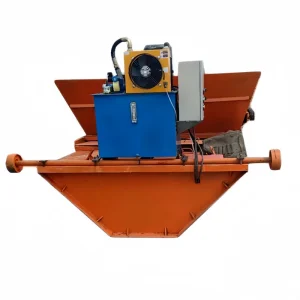
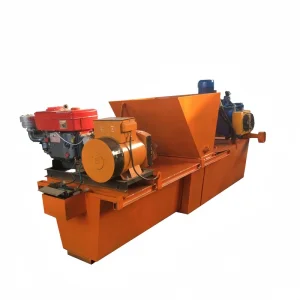
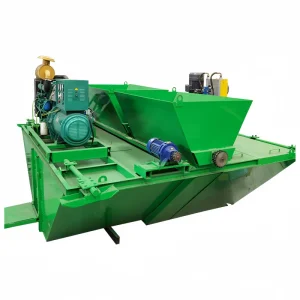
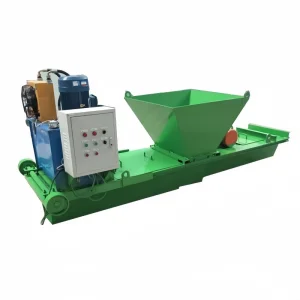
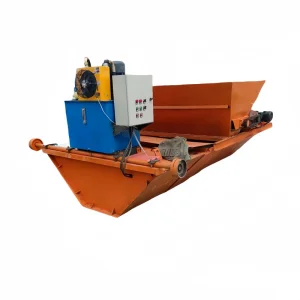
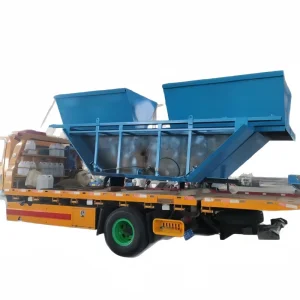
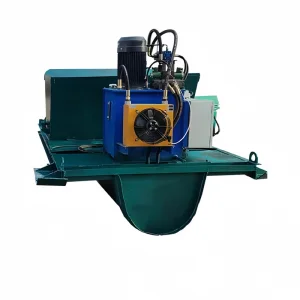
Traditionally, ditch construction in the Caribbean has relied on labor-intensive, hand-poured concrete or slow precast installations. These legacy methods cannot keep pace with the urgent infrastructure timelines demanded by climate change and rapid urbanization. Automated slipform concrete ditch lining machines solve this operational bottleneck. By extruding high-strength concrete channels directly in-situ, these systems reduce project timelines by up to 75% while dramatically enhancing structural longevity against soil shifting and hydrostatic pressures.
Current infrastructure plans in Saint Lucia focus on retrofitting rural road networks, reinforcing the arterial highway between Castries and Gros Islet, and preventing soil erosion along hillside settlements. The implementation of U-shaped, trapezoidal, and V-drain structures is fundamental to these designs. Slipform technology allows for continuous, joint-free concrete profiles that exhibit superior hydraulic efficiency compared to piecemeal concrete block channels.
Understanding the engineering principles behind automated slipform extrusion.
In Saint Lucia's high-temperature coastal environment, the chemistry of the concrete mix is paramount. Unlike standard structural pours, slipformed concrete must support its own weight immediately upon exiting the machine mold. This requires a highly cohesive, low-slump concrete mixture.
The recommended aggregate ratio comprises 40% coarse gravel (5-15mm) and 60% well-graded river sand. Water-reducing admixtures (superplasticizers) are essential to lower the water-to-cement ratio (typically 0.40 to 0.44) while maintaining workability within the high-frequency vibrators. The high-frequency vibratory system fluidizes the dry mix momentarily within the mold hopper, ensuring consolidation and eliminating internal voids before the machine moves forward, leaving a self-supporting concrete structure.
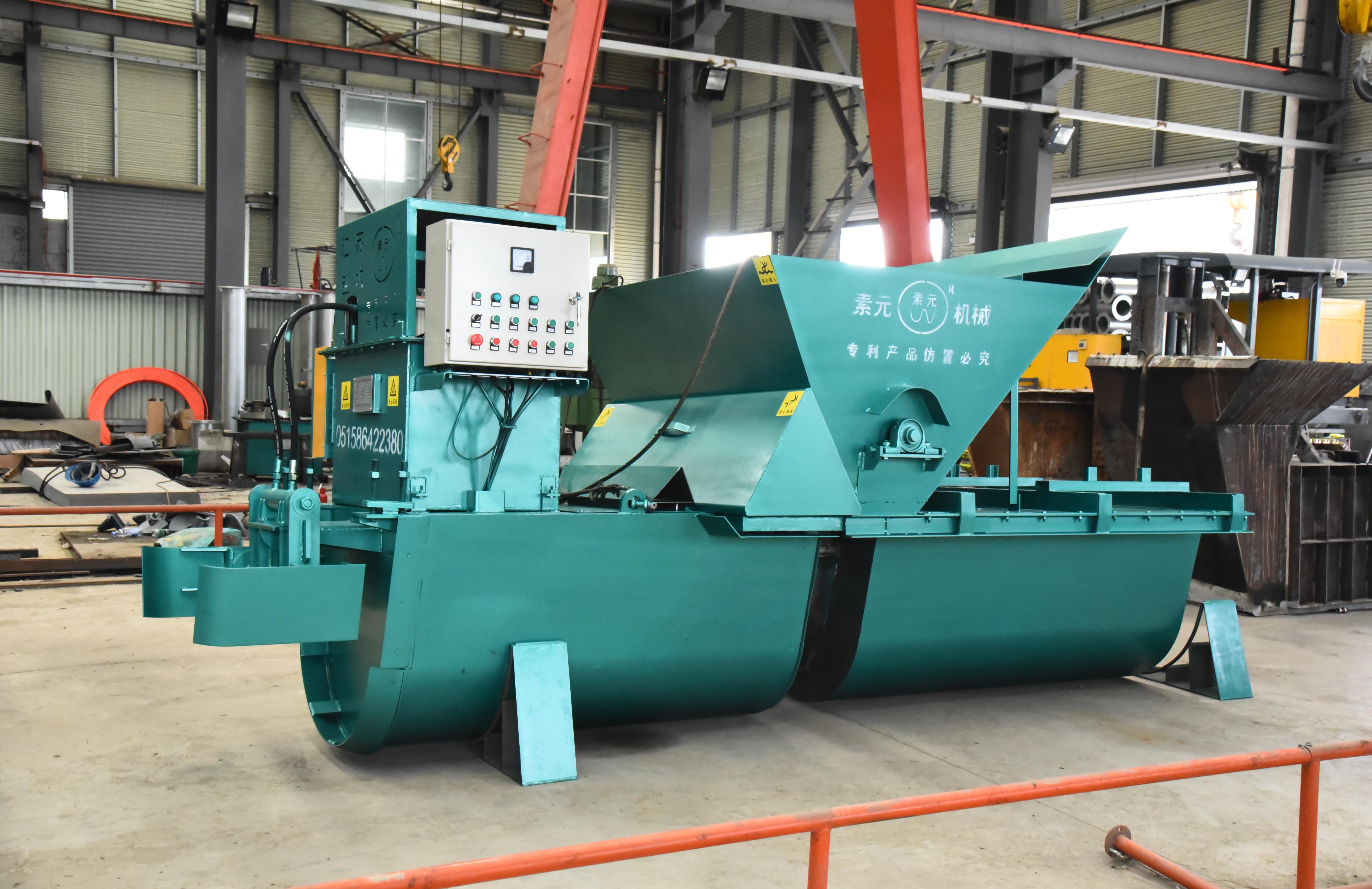
MRECH's next-generation ditch lining equipment features state-of-the-art grade and steering sensors. Utilizing dual-slope controls, the machine traces a pre-set guidance line or works in tandem with GPS/GNSS arrays to maintain millimeter-level accuracy. This is crucial for drainage applications where a variance of even 0.5% in slope gradient can cause stagnant pooling, encouraging mosquito breeding and rapid vegetation growth that blocks water flow.
Working Speed: 1.2 to 2.5 meters per minute, depending on channel depth and concrete supply logistics.
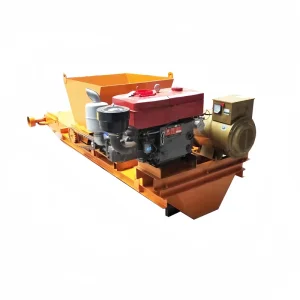
Power Unit: High-efficiency water-cooled diesel engines, fully tropicalized with heavy-duty cooling fans to operate continuously at ambient temperatures up to 45°C.
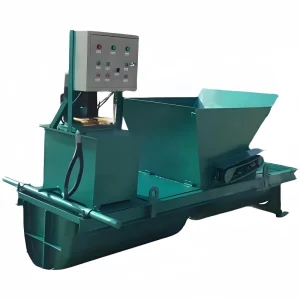
Control System: Digital PLC controller with diagnostic screen, offering real-time tracking of vibration frequency, machine level, and linear travel metrics.
Molds: Interchangeable design. Changeout time between a 600mm V-ditch and a 1000mm trapezoidal drain is less than 4 hours using standard tools.
By automating the compaction, shaping, and finishing steps into a single continuous pass, the equipment minimizes human error. Manual finishing is restricted to surface texturing and joint cutting, which are performed immediately behind the machine's progress. This method guarantees structural uniformity, preventing the localized failures that typically ruin hand-plastered drains during heavy tropical storms.
Global Expertise, Chinese Manufacturing Resilience, and Dedicated Local Support for Saint Lucia
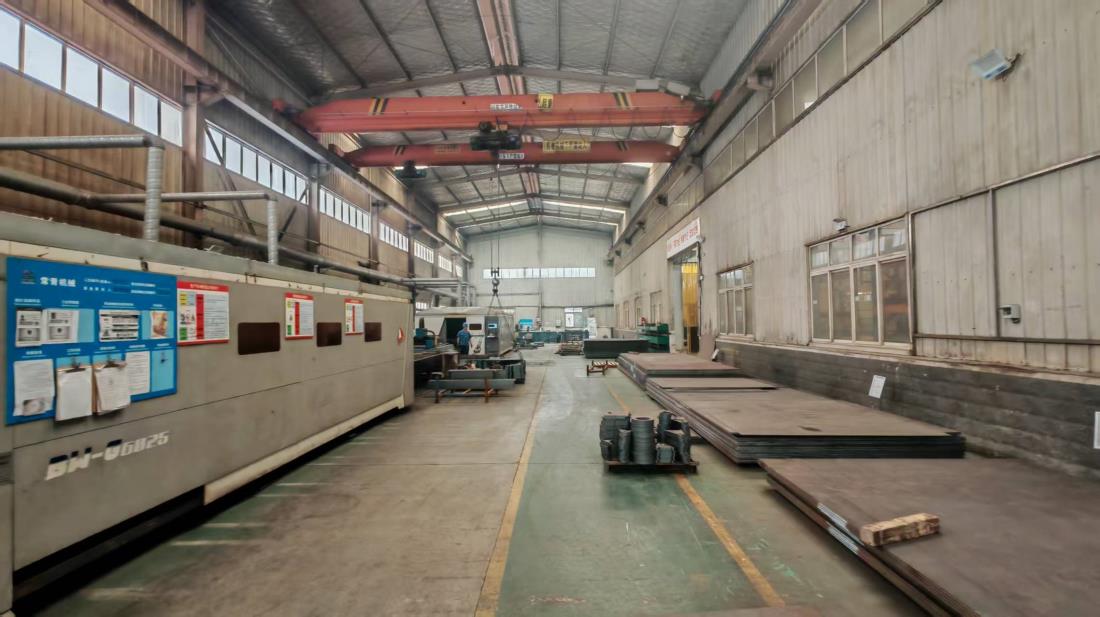
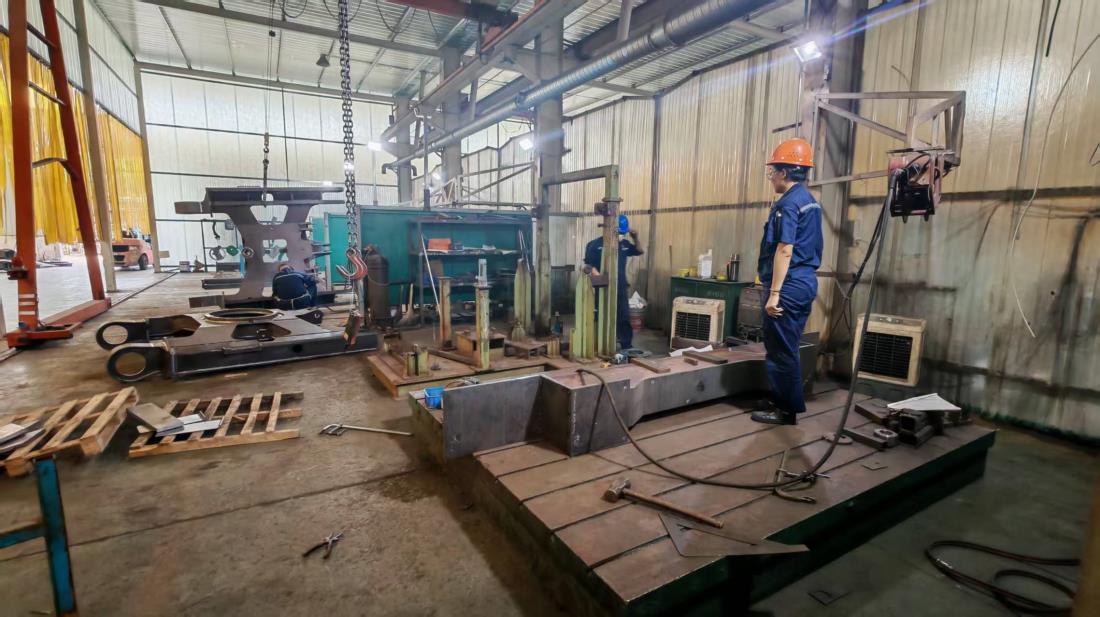
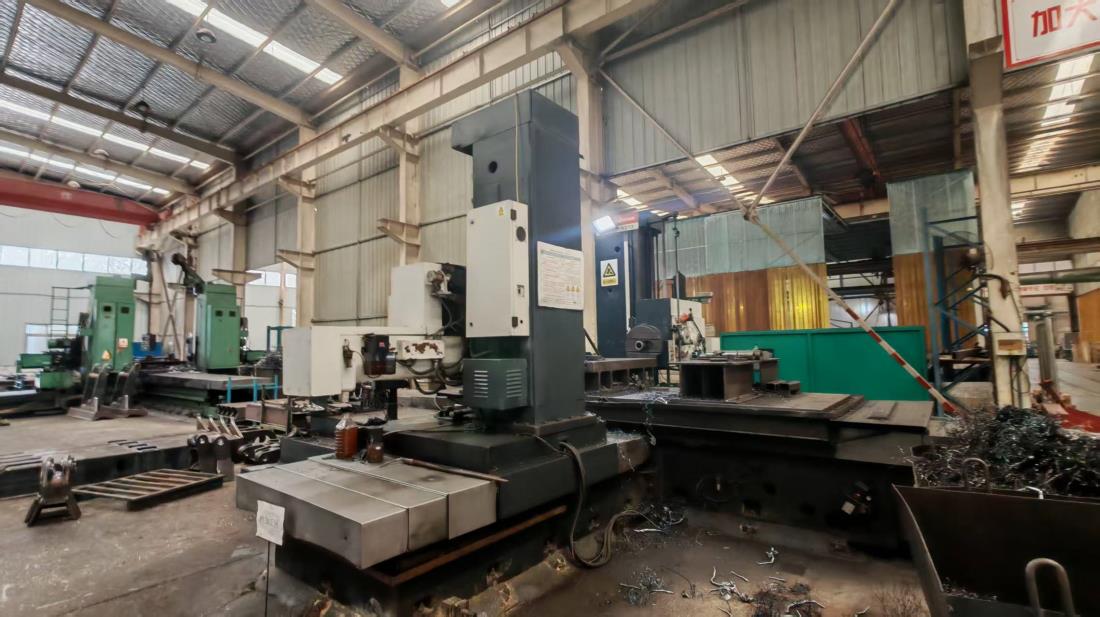
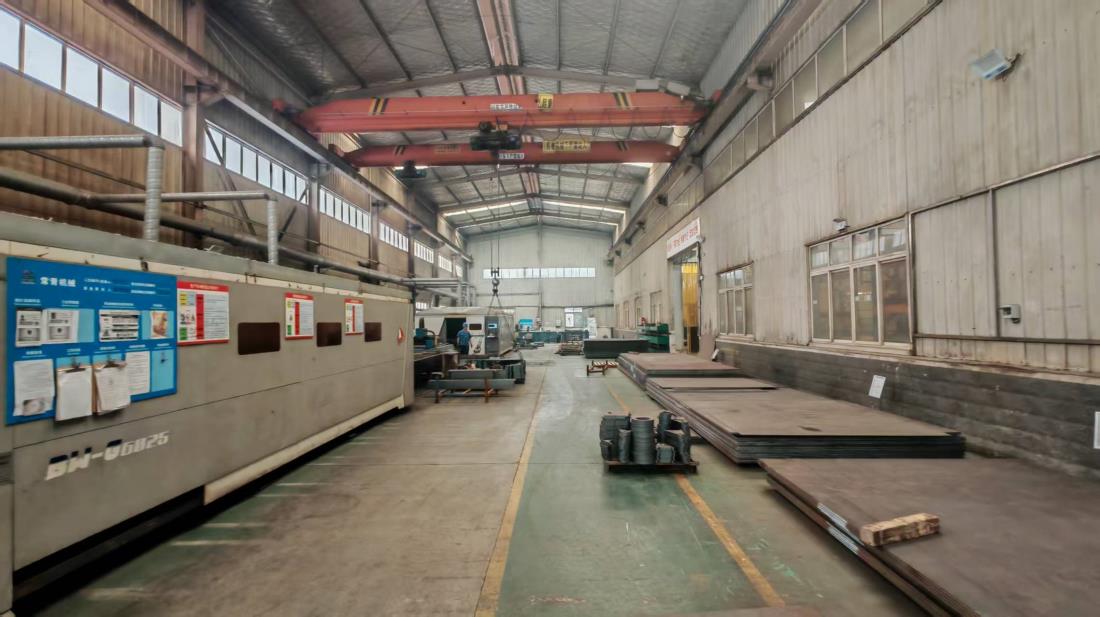
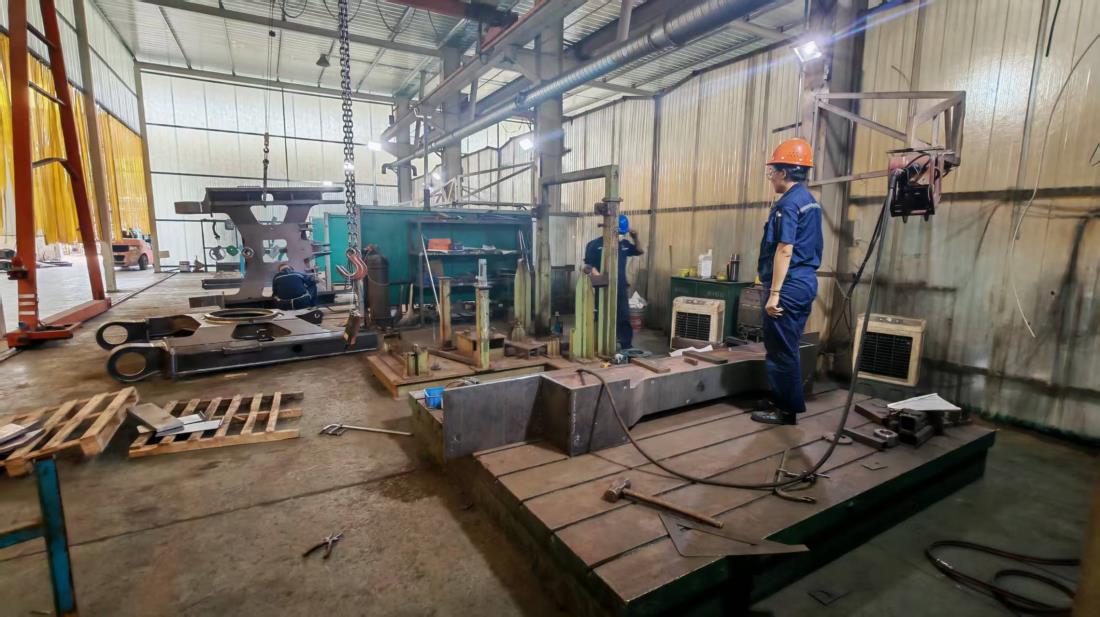
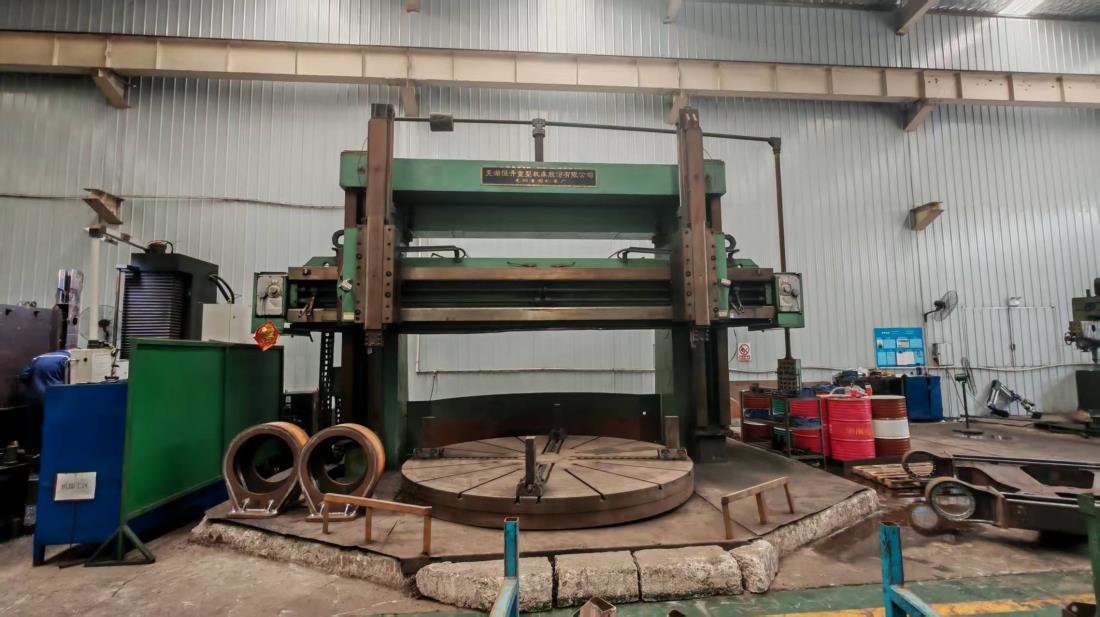
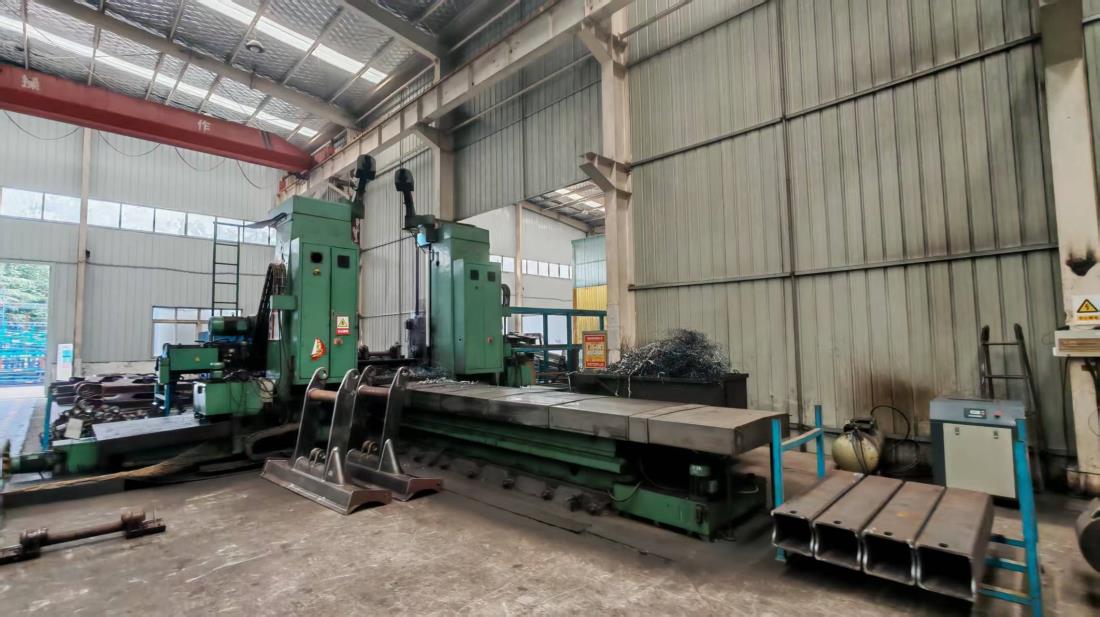
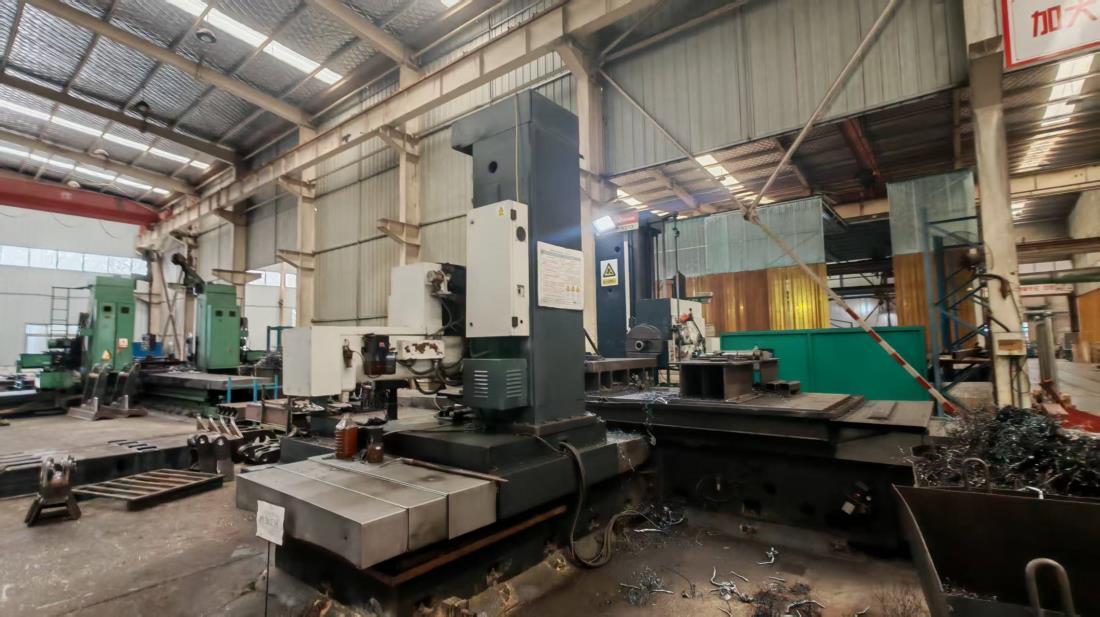
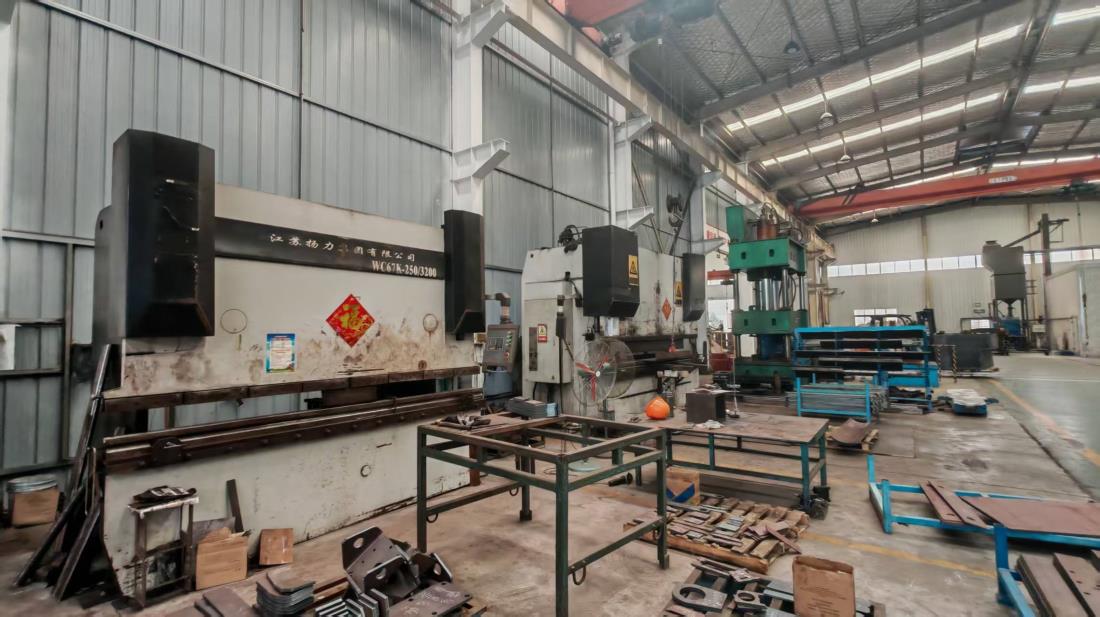
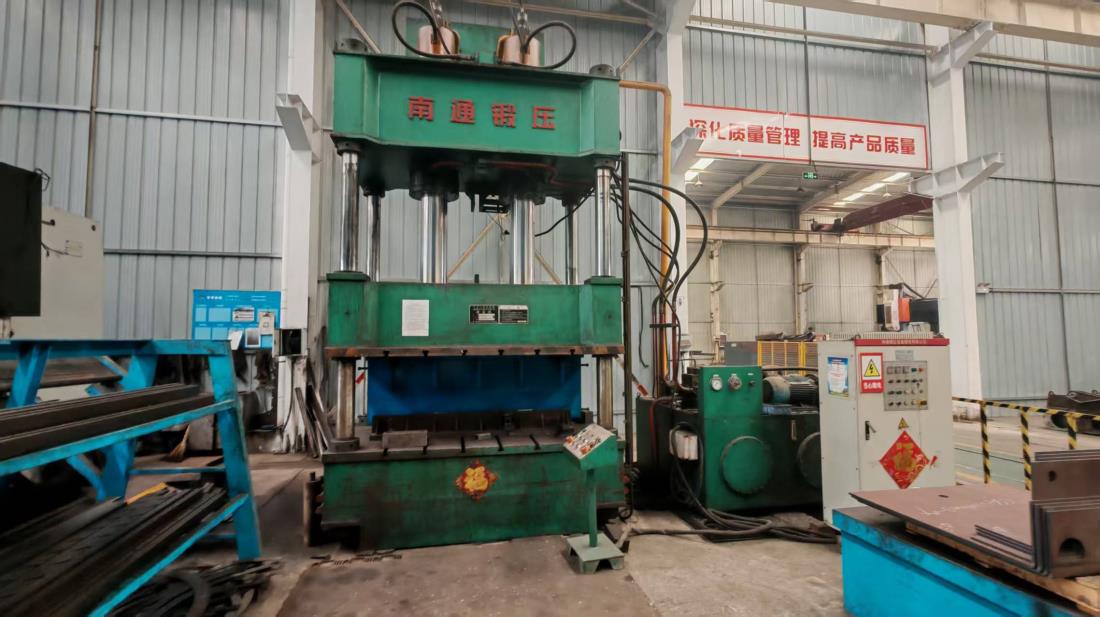
Strategically located in Weifang City, Shandong Province, China—a world-renowned industrial hub with deep engineering roots—Weifang MRECH Machinery Co., Ltd. is a global leader in road construction and concrete forming machinery. We specialize in research, development, precision fabrication, and international distribution of advanced slipform pavers and automated ditch lining systems.
By leverage of Weifang's robust steel-processing ecosystem and advanced mechanical components manufacturing, MRECH delivers highly durable equipment at competitive price points. Our engineering teams design and build machines that satisfy stringent global quality standards, ensuring our partners receive heavy-duty systems capable of thriving in challenging tropical environments.
We understand that heavy machinery on an island nation like Saint Lucia requires robust lifecycle support. MRECH ensures uninterrupted productivity through a dedicated global service department:
How MRECH is driving efficiency, reducing carbon footprint, and introducing AI automation.
The integration of multi-axis IMU (Inertial Measurement Unit) sensors with GNSS satellite positioning represents the future of ditch construction. Future iterations of MRECH pavers will rely less on manual physical stringlines and more on virtual coordinates. The system automatically responds to subtle subgrade variations by altering cylinder stroke lengths, guaranteeing consistent wall thicknesses and slope angles regardless of terrain anomalies.
Global civil engineering is shifting toward green concrete formulations incorporating industrial byproducts like fly ash, slag, or calcined clay. These sustainable concrete matrices have different hydration rates and flow characteristics than traditional OPC (Ordinary Portland Cement). Our R&D division has optimized the extrusion geometry and vibratory frequency parameters of MRECH molds to handle these eco-concrete formulations without losing structural cohesion during extrusion.
For fleets operating in remote Caribbean islands like Saint Lucia, real-time diagnostic visibility is invaluable. MRECH's future models integrate cellular-based IoT modules that stream hydraulic oil temperature, vibration frequency, diesel engine load factors, and daily linear progress reports directly to a centralized cloud dashboard. This allows management teams in Castries or global support technicians to predict component fatigue and pre-schedule maintenance, avoiding sudden field failures.
Expert technical answers to assist contractors in selecting and operating slipform ditch lining equipment.
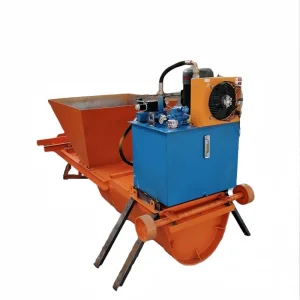
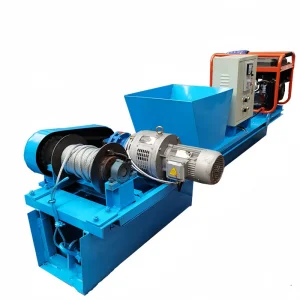
Discover our comprehensive range of specialized water conservancy, municipal drainage, and road channel infrastructure systems.
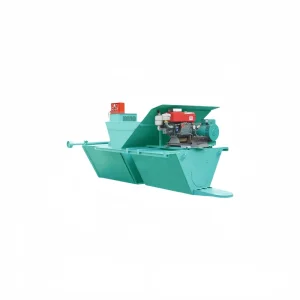
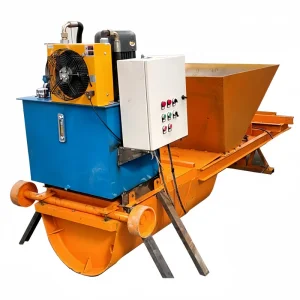
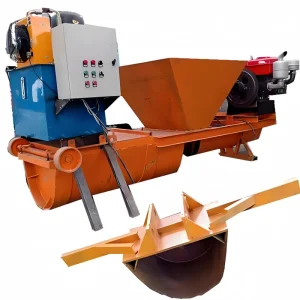
Ready to upgrade your infrastructure project efficiency in Saint Lucia?
Send Inquiry Now MRECH Machinery