MRECH Machinery
Adapting Railway Drainage Systems to Peru's Intense Topography and Extreme Environments
Peru possesses one of the most geographically diverse and topographically challenging landscapes in South America. Stretching from the arid coastal deserts across the high-altitude peaks of the Andes Mountains to the dense, high-precipitation environments of the Amazon Basin, infrastructure projects within Peru demand advanced engineering solutions. The construction and maintenance of long-distance railways—such as the historically vital Central Railway (Ferrocarril Central Andino) and proposed metropolitan light rails and freight lines—face harsh geologic hazards. Heavy rainfall, seismic tremors, and intense freeze-thaw cycles frequently compromise trackbed stability.
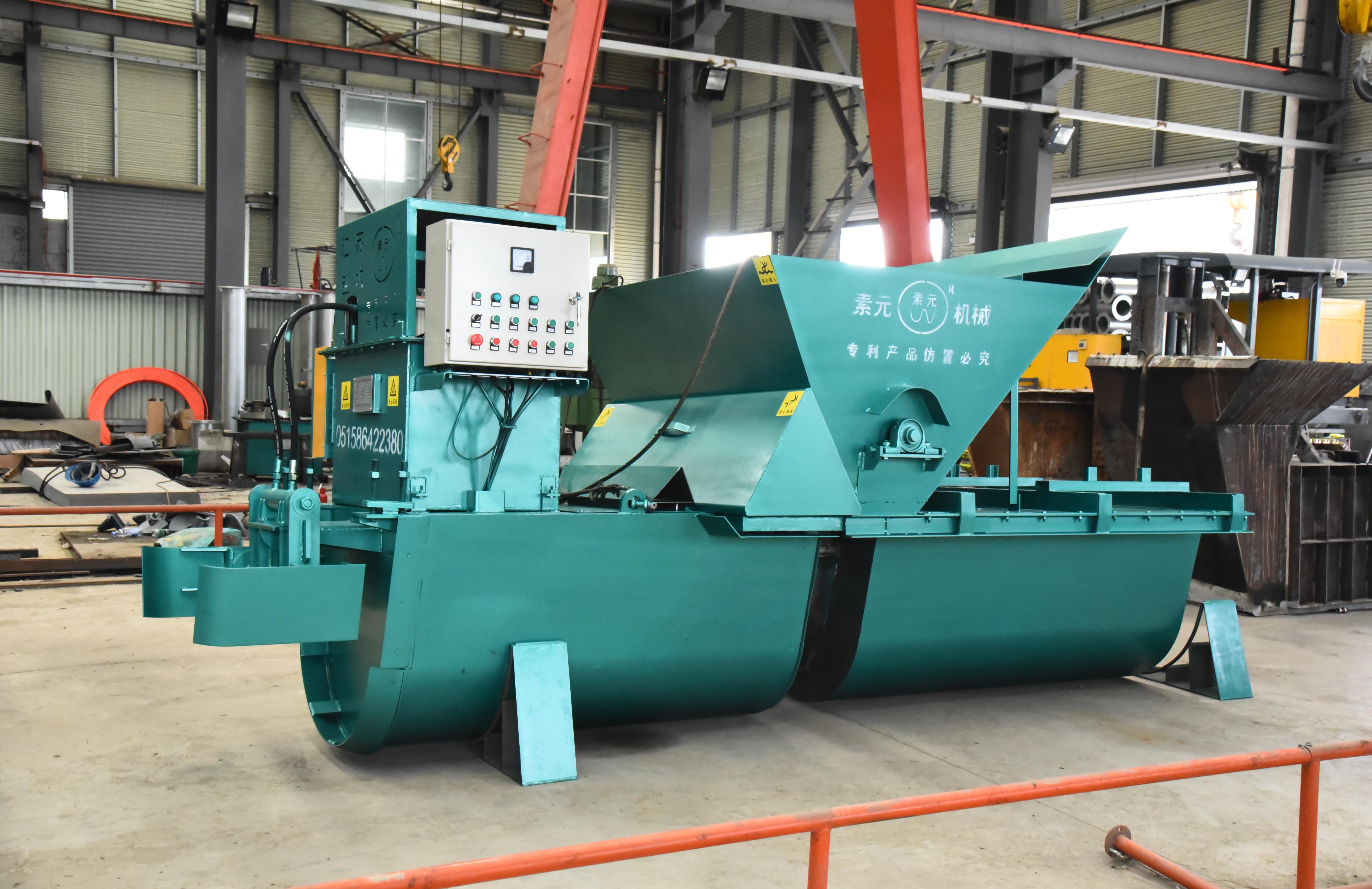
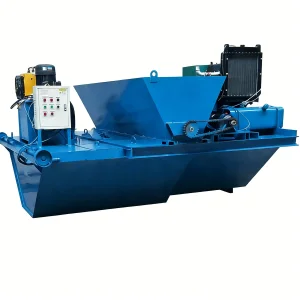
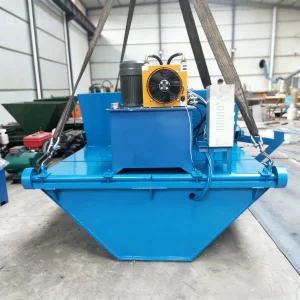
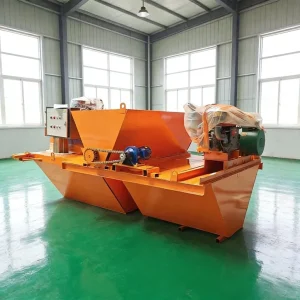
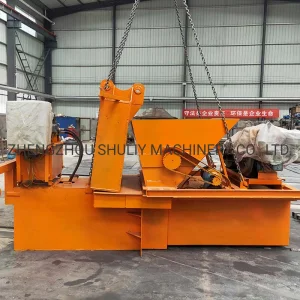
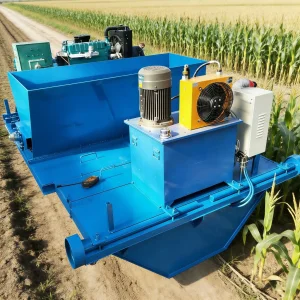
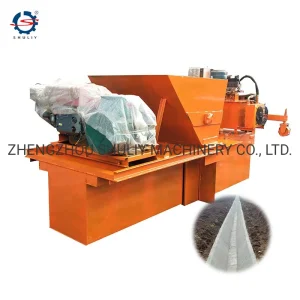
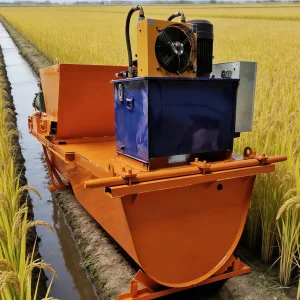
Within this context, the **Railway Side Ditch Forming Machine** has emerged as a cornerstone technical requirement. Modern railway tracks require persistent, reliable lateral drainage to divert surface water runoffs and prevent soil liquefaction around the ballast. As an established, certified exporter serving the Peruvian infrastructure market, Weifang MRECH Machinery Co., Ltd. supplies high-performance, automated concrete slipforming systems tailored specifically to meet these intense regional challenges.
"Traditional cast-in-place concrete methods for railway drainage ditches in remote Peruvian regions suffer from low compaction quality, excessive manual labor requirements, and dangerously slow construction speeds. Automated slipforming machinery solves these bottlenecks by integrating continuous concrete feeding, vibration compaction, and profile extrusion into a single rapid pass."
The Commercial & Industrial Landscape of Railway Infrastructure in Peru
Peru’s national development framework focuses intensely on connecting mineral-rich inland highland provinces (like Junín, Pasco, and Cajamarca) directly to deepwater Pacific ports like Callao and the new megaport of Chancay. Rail transport remains the most cost-effective and carbon-efficient method for exporting copper, zinc, and agricultural products. However, laying tracks through mountain passes exceeding 4,000 meters above sea level presents formidable geotechnical problems.
When torrential rains hit the Andes during the *Niño Costero* phenomenon, landslides and mudslides (known locally as *huaycos*) wash out unlined or poorly drained tracks. The Ministry of Transport and Communications (MTC) of Peru has steadily updated its technical guidelines, mandating high-strength concrete linings for all railway side drainage channels. Consequently, international contractors operating in Peru are aggressively shifting their procurement models toward highly specialized, automated slipform pavers that deliver seamless, monolithic concrete ditches with enhanced resistance to physical shifts and thermal cracking.
Global Enterprise Procurement Demands: Key Selection Criteria for Peru Projects
Procurement executives managing multi-million dollar South American infrastructure portfolios prioritize equipment that satisfies strict indicators of operational efficiency and compliance. The primary benchmarks include:
- Engine Altitude Adaptation: Standard diesel engines experience a severe loss of power (derating) at high altitudes due to lower oxygen levels. Machinery deployed in the Andes must feature turbocharged engines calibrated for low-density oxygen environments to ensure consistent hydraulic power.
- Movable Excavation and Extrusion Molds: The machine must accommodate varying trackside offsets and variable ditch profiles (V-shape, U-shape, trapezoidal) required by different stretches of track designs.
- Extreme Concrete Density and Compaction: Mechanical vibrator arrays must deliver uniform compaction energy to eliminate air pockets within the concrete mix, maintaining low porosity to resist the destructive effects of sub-zero night temperatures.
Advanced Technical Roadmap & Future Architectural Outlook
The next generation of railway side ditch forming machines focuses on digital integration. Future configurations will feature high-precision GPS/GNSS automated leveling and alignment controls, enabling the machine to dynamically adjust its slipforming depth and slope ratio relative to the railway tracks without relying on manual stringlines. Furthermore, incorporating real-time IoT diagnostic modules allows project management offices in Lima or abroad to monitor concrete consumption, paving velocity, and engine health in real time, drastically reducing unplanned downtime in remote operational zones.